












































ELECTROMAGNETIC DISTURBANCES AND EMI FILTERS
Nowadays, following the widespread diffusion of advanced electronic systems and solutions, designers face several challenges. One of these, often overlooked, is electromagnetic interference between different devices in critical and non-critical environments (e.g. home devices, industrial environments, and especially the medical field). This phenomenon can even compromise the operation of devices.
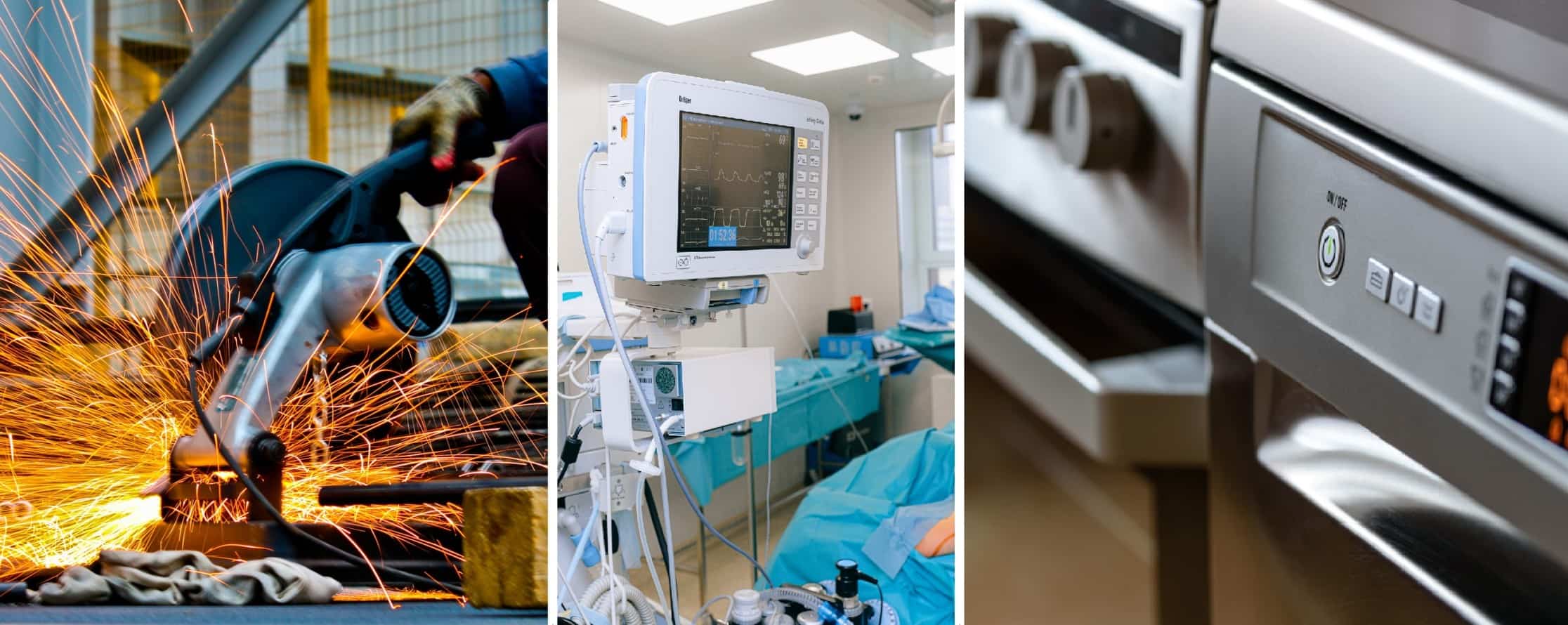
The primary focus of the article is to briefly illustrate the need for and the advantages of using mains filters, to solve problems related to electromagnetic interference with the various types of filters that exist. Later, in other articles, we will analyze in detail the most demanding applications and the solutions for each of them.
What is electromagnetic interference (EMI)
Today’s electrical and electronic devices use circuits that operate at high frequency (usually to keep efficiency high and reduce size), thus creating high-frequency electrical signals that propagate through cables and through the air; this phenomenon is called electromagnetic interference (EMI).
EMI is a common problem for designers, since electronic devices must comply with specific regulatory requirements for both conducted and radiated emissions. In addition, EMI can cause malfunctions in other devices, affecting their correct operation. EMI disturbances can also come from other sources, whether of natural origin such as electrostatic effects, lightning and solar flares, or from man-made sources such as cellular signals, radio signals and transport systems.
All these potential sources of EMI cause similar problems for electronic devices, which is why EMI filters have become necessary for the electrical and electronics industry.
Why use EMI MAINS FILTERS
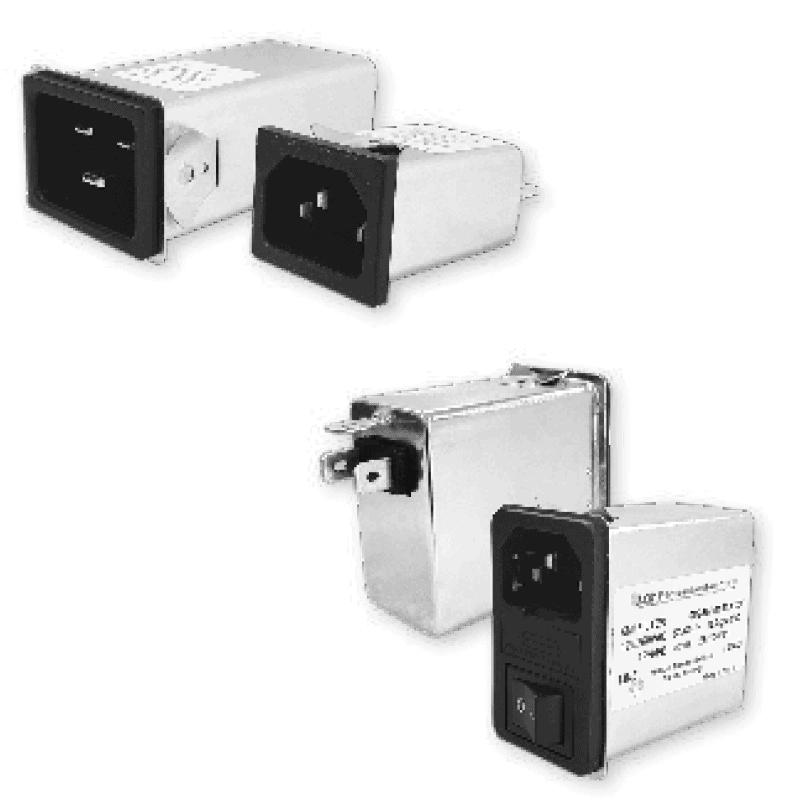
EMI filters, also called EMI suppression filters, reduce electromagnetic noise by suppressing unwanted high frequencies. Placed on the device’s input power supply, these filters prevent such disturbances from entering and causing malfunctions. In addition, EMI filters prevent noise generated by the device’s operation from disturbing the power supply network, which would then interfere with other devices.
Factors for correctly choosing an EMI filter
Selecting the filter most suited to your application involves choosing the right size, its performance and its cost. Different types of filters provide different levels of suppression and therefore have different characteristics. What works correctly in one system might not work in another.
For this reason, it is essential to select the right filter from the right partner, among the numerous options available, dedicated to specific types of applications.
Following the recent agreement, CONSYSTEM offers the Italian market the EMI FILTER solutions from ASTRODYNE TDI, recognized globally for their reliability and customer-focused technical support.
The different types of filters
Below are brief descriptions of the different types of filters, while in other publications we will go into more detail on each individual type.
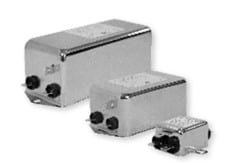
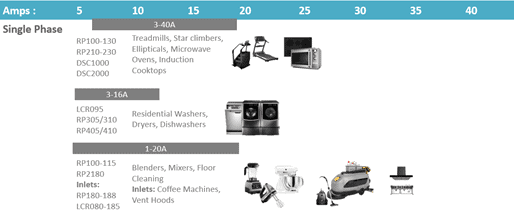
SINGLE-PHASE FILTERS: full range from 1A to 200A available with different leakage current values, for general purpose, medical and military applications.
These products are the basis from which any custom solutions are made to meet the customer’s exact requirements
o main applications:
GYM EQUIPMENT / FOOD SERVICE EQUIPMENT / PWM CIRCUITS / HOME APPLIANCES / POWER SUPPLIES / INDUSTRIAL LIGHTING / MEDICAL DEVICES / HVAC
THREE-PHASE FILTERS:
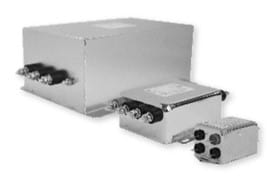
reduce the electromagnetic emissions of high-power applications so as to comply with international standards. Solutions from 480V / 520V / 600V, with currents up to 2500A and 2 main product lines: DELTA or WYE power supply network.
o Main applications:
THREE-PHASE INVERTERS / FREQUENCY CONVERTERS / INDUSTRIAL MACHINE TOOLS / INDUSTRIAL POWER SUPPLIES and UPS / SERVERS / MRI and X-RAY EQUIPMENT / ELEVATORS AND LIFTS / WELDING-CUTTING-HEATING EQUIPMENT / LASER EQUIPMENT / HIGH-CURRENT RECTIFIERS / ELECTRIC VEHICLE (EV) CHARGING STATIONS

DC FILTERS:
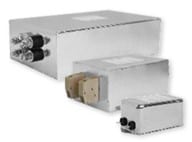
designed to reduce interference on input and output DC lines, available up to 1200Vdc and 2500A.
o Main applications:
POWER SUPPLIES / SOLAR PV INVERTERS / TELECOM / ELECTRIC VEHICLE (EV) CHARGING STATIONS / MILITARY and AEROSPACE APPLICATIONS
IEC INLET FILTERS:
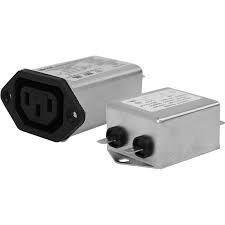
easy to install and with an excellent efficiency/size ratio, they are ready to be used in a wide range of electronic devices, with the possibility of including a fuse holder (single or double) and/or switch. The SNAP-IN solutions have recently become available too, which use metal tabs to simplify mounting on your device’s case.
o Main applications:
COMPUTERS / COMMUNICATION DEVICES / DISPLAYS / GAMING / EXERCISE EQUIPMENT / MEDICAL DEVICES / TEST AND MEASUREMENT INSTRUMENTATION / HOME APPLIANCES
INVERTER FILTERS:
developed for AC and DC inverters, frequency inverters or inverter-based control systems, these products are extremely compact and reduce emissions to achieve EMC compliance.
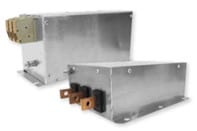
o Main applications:
SOLAR / DC DECOUPLING AND TRANSFORMERLESS DEVICES
FEED-THROUGH:
literally “power feed-through”, these filters provide strong attenuation from a few kHz up to several GHz,
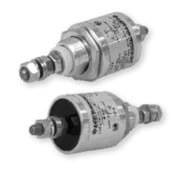
perfect for high-tech applications, both for filtering and for isolating the output.
o Main applications:
IT DEVICES / SHIELDED DEVICES / BASE STATIONS / SWITCHING DEVICES / SHIELDED ENCLOSURES
FILTERS FOR SHIELDED ROOMS AND STRUCTURES:
designed to isolate shielded areas from external interference, in accordance with MILPRF-15733, MIL-STD-810 and UL1283.
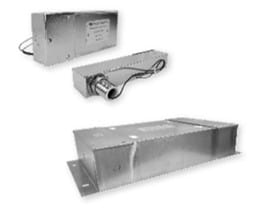
o Main applications: SHIELDED ROOMS / TEST LABORATORIES / SECURE AREAS / MRI ROOMS
PCB FILTERS:
in AC and DC variants, these can be mounted directly onto circuit boards and are designed to reduce local noise at the board level, so as to limit disturbances propagated to the enclosure. Compact, low-cost solutions for better EMC compliance.
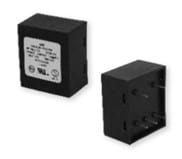
o Main applications:
ELECTRONIC DEVICES / TELECOM / DC-DC CONVERTERS / AEROSPACE / MEDICAL DEVICES
In the next articles we will address specific topics, here’s a preview:
- MEDICAL FILTERS, reasons for choosing dedicated filters and regulatory requirements
- HOW TO SELECT THE CORRECT MAINS FILTER
- CONSUMER APPLIANCE FILTERS, both professional and commercial
- INDUSTRIAL FILTERS – THREE-PHASE, for DELTA and WYE networks
- MILITARY FILTERS, solutions and regulatory requirements